U.S. jobs report shows a 92,000 loss in Feb 2026 as unemployment hits 4.4%, pressuring stocks, Bitcoin, oil markets and Fed bets.
Don't scroll Twitter for crypto news
One email. Five minutes. Everything that matters today
U.S. Jobs Report Hits Markets After 92,000 Loss – March 2026
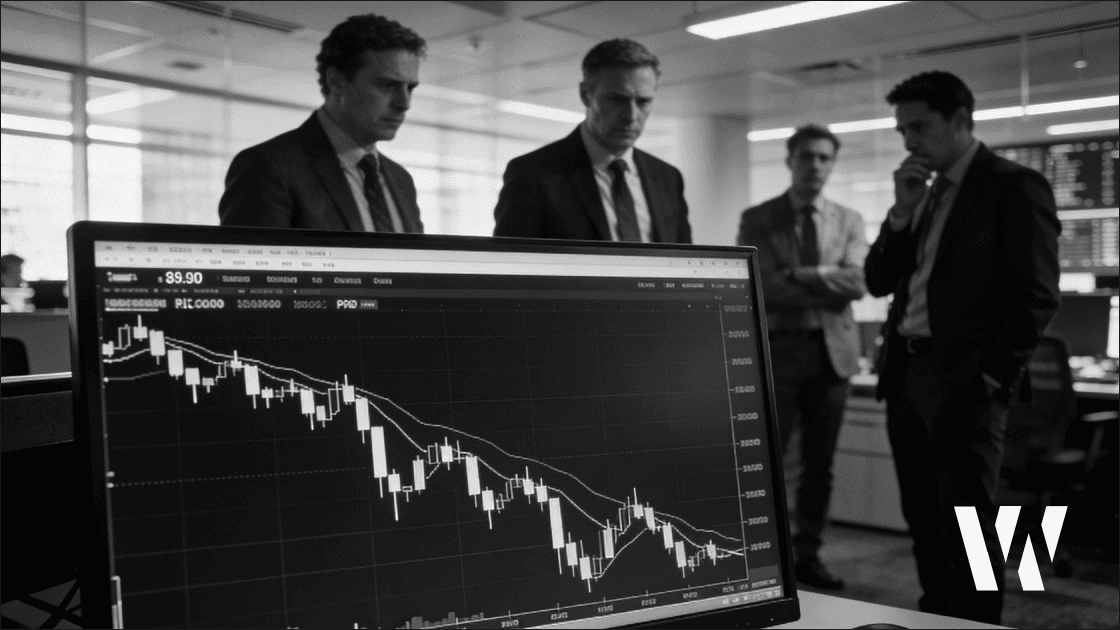
U.S. employers cut 92,000 jobs in February, the Labor Department reported on Friday, March 6, at 8:30 a.m. Eastern Time, while the unemployment rate rose to 4.4%. The weak report landed as oil markets were already strained by the U.S.-Iran conflict, and market coverage showed both equities and Bitcoin moving lower in a broad risk-off reaction.
Want the market context behind moves like this in your inbox each morning? Subscribe to Web Snack for a sharp daily breakdown of crypto, macro, and the signals that matter.
Context
The February reading was a sharp break from January, when payrolls increased by 126,000, and it came in below consensus estimates reported in the research set, which ranged from 50,000 to 60,000 new jobs. Revisions also lowered December and January payrolls by a combined 69,000 jobs, adding to evidence that labor conditions had already softened before the latest release.
Some of the weakness was concentrated in areas with clear one-off pressure points. Construction lost 11,000 jobs, which Marketplace linked to frigid weather, while healthcare shed 28,000 jobs after a Kaiser Permanente strike involving more than 30,000 workers in California and Hawaii.
The labor miss arrived against an increasingly tense energy backdrop. Reuters and other outlets reported that Qatar warned the Gulf could face export shutdowns within weeks if the conflict continued, with crude prices potentially rising to $150 a barrel if traffic through the Strait of Hormuz stayed blocked.
Details
The core labor numbers were consistent across the main reports reviewed. CNBC, Investing.com, and Marketplace all matched on the headline payroll decline of 92,000 and the rise in the unemployment rate to 4.4%.
Wages, however, remained firmer than the payroll number alone would suggest. Invezz reported that average hourly earnings rose 0.4% month over month and 3.8% year over year, above forecasts of 0.3% and 3.7%, which keeps inflation pressure in the policy discussion even as hiring slows.
Joe Brusuelas, Chief Economist at RSM, summed up the scale of the miss with a clean benchmark: “Under the current conditions, 70,000 should be considered solid.” That framing matters because it places February’s 92,000 decline far below what economists already viewed as a modest threshold for acceptable job growth.
The policy calendar now matters more. Invezz said the Federal Open Market Committee is due to meet on March 17-18, with the federal funds rate currently at 3.50% to 3.75%, leaving officials to weigh a weakening jobs market against still-firm wage growth.
Impact
The market takeaway was straightforward even after stripping out exact intraday figures that were not independently confirmed across the research set. 247WallSt’s live coverage showed U.S. stocks selling off and Bitcoin trading lower on the same session, which fits the broader pattern of macro-sensitive assets reacting together when growth fears rise and energy stress intensifies.
That linkage matters for crypto readers because it points to macro, not crypto-specific, pressure as the immediate driver. In the research reviewed here, the cleanest confirmed point is directional: weak labor data hit risk appetite at the same time that oil and war headlines were darkening the outlook.
Saad al-Kaabi, Energy Minister of Qatar and CEO of QatarEnergy, described the risk in direct terms: “If this war continues for a few weeks, GDP growth around the world will be impacted. Everybody’s energy price is going to go higher.” That warning helps explain why the jobs report resonated beyond payrolls alone, because a softer labor market and rising energy costs can reinforce each other in global pricing and sentiment.
Next Steps
The next major checkpoint is the Fed meeting on March 17-18. A softer labor market would normally strengthen the case for easier policy, but the wage data and oil shock make that trade-off more difficult.
The next jobs report will also matter because February included temporary distortions. With the Kaiser Permanente strike now over, some healthcare payrolls may rebound mechanically in March even if the broader hiring trend remains subdued.
For markets, the near-term watchlist is clear: labor revisions, oil through the Strait of Hormuz, and whether risk assets keep trading as one macro basket. That is the setup that turned a weak payroll print into a broader cross-market story on March 6.
Markets move fast. Subscribe to Web Snack for a daily crypto and macro brief that cuts through noise and gives you the key charts, narratives, and risks before the day starts.
P.S. This article is for informational purposes only and does not constitute investment advice. Always conduct your own research and make independent decisions.
Like this story? There's more tomorrow
Join Web Snack – no fluff, just value